

How digital is transforming cultural mediation

Founder & CEO of YOMU, passionate about revolutionising museum experiences through technology.
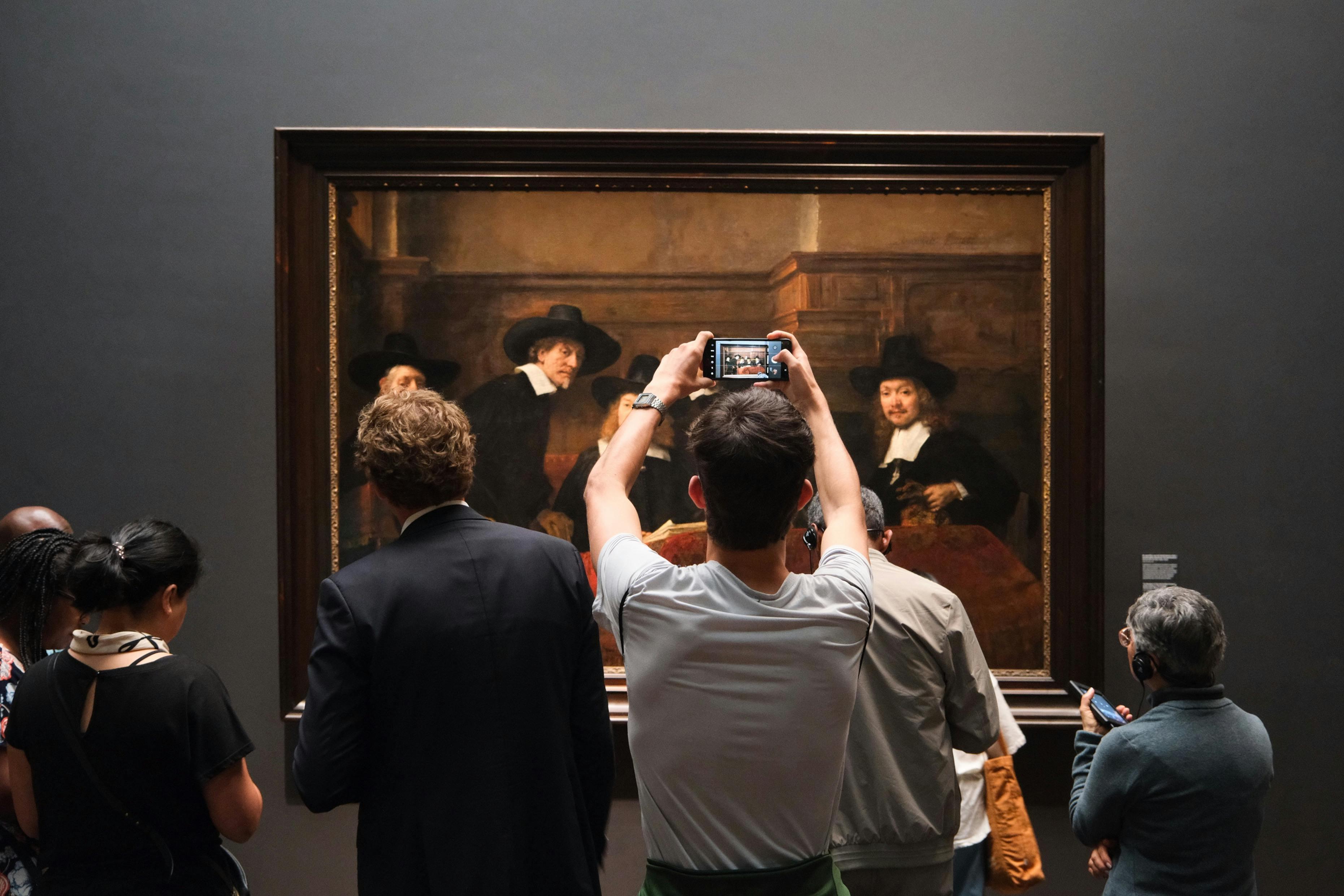
From wall labels to a full digital ecosystem
In just a few years, cultural mediation has completely shifted. Where museums once relied mainly on wall texts, audioguides and guided tours, they now operate within a full digital ecosystem: mobile apps, connected guides, on-demand content, notifications, analytics.
Solutions like Smartify and Bloomberg Connects have played a major role in this shift by offering multi-museum digital guides, directly accessible from visitors’ smartphones. Today, a new generation of tools – including YOMU – goes one step further: personalised mediation, playful quizzes, content adapted to each profile, and audioguides generated in over 36 languages using AI.
This article is aimed at museum leaders, mediation teams and audience development professionals: how exactly is digital reshaping cultural mediation, and how does YOMU position itself compared to the major platforms already on the market?
1. What digital has already changed inside museums
The first revolution is access to information. With a smartphone in hand, visitors can now:
- Listen to audioguides without renting dedicated devices.
- Scan artworks to access texts, images, videos and archives.
- Prepare their visit in advance and extend it afterwards.
For museums, this means:
- Fewer hardware constraints (no large audioguide fleet to maintain).
- More editorial flexibility (content can be updated continuously).
- The ability to measure what is actually used instead of guessing.
2. Smartify & Bloomberg Connects: the era of cultural “super-apps”
Smartify has often been described as a “Shazam for art”: visitors scan an artwork and the app recognises the image, instantly displaying the related content. It also allows users to:
- Discover museums and galleries nearby.
- Access audio tours and thematic routes.
- Build a personal collection of scanned artworks.
Bloomberg Connects offers free digital guides for hundreds of institutions worldwide: museums, galleries, gardens, sculpture parks and more. The app centralises audio, video and text content, with interactive maps and thematic guides.
In short, these platforms have helped to:
- Standardise access to digital guides for visitors.
- Give institutions an already-installed distribution channel on millions of phones.
- Support visits both onsite and remotely.
3. The limits of “one-size-fits-all” approaches
Yet many museums feel that, even with a good guide app, something is still missing when it comes to sustaining engagement – especially with young and occasional visitors.
The most common limitations include:
- Mostly linear mediation: pick a tour, listen, move on.
- Little fine-grained personalisation based on level, interests or time available.
- A mainly one-way experience: visitors listen more than they interact.
- Limited playful dimension: few quizzes, challenges or visible progression.
On the B2B side, teams also express other needs:
- Producing content more quickly, without rewriting everything for each language.
- Adapting the tone for very different audiences (schools, young adults, international tourists…).
- Access to actionable data on what visitors actually use.
4. YOMU: similar concept, a stronger focus on personalisation
YOMU stands in the same family as these major cultural apps, while addressing these specific challenges in a targeted way.
Like Smartify and Bloomberg Connects, YOMU lets visitors:
- Scan artworks or QR codes to access content.
- Follow thematic routes through exhibitions.
- Enjoy a smooth, mobile-first experience on site.
But from day one, YOMU has been designed to go further in four key areas:
- Truly personalised mediation
- Gamification and playful quizzes
- Multi-language audio generated in a few clicks
- Daily rendezvous with art
5. Mediation that adapts to each visitor
When creating an account, users share their knowledge level and preferences (types of works, time available, preferred explanation style, etc.). Based on this, YOMU can:
- Adapt the length of content (short vs in-depth versions).
- Offer tailor-made routes within an exhibition.
- Recommend new artworks or exhibitions based on what they liked.
For museums, this means that the same exhibition can be experienced very differently by:
- A family looking for a playful visit.
- A curious young adult who is not yet an expert.
- A more advanced art lover who wants additional layers of detail.
6. Playful quizzes and long-term engagement
Where many apps focus on passive listening, YOMU adds a strong layer of play and challenge:
- Quizzes integrated into artworks and routes.
- Points, levels, badges and leaderboards to reward progression.
- Solo and group challenges (friends, families, school groups).
This gamified layer helps to:
- Reinforce learning (we remember better what we had to guess or check).
- Encourage visitors to come back or finish an incomplete route.
- Create a memorable experience that visitors associate directly with the museum.
7. Audioguides in 36+ languages powered by AI
One of the main barriers for traditional systems is the cost of producing multilingual audioguides. Every translation and voice recording is a significant investment.
YOMU leverages a partnership with Google’s AI to:
- Generate audioguides in over 36 languages in just a few clicks.
- Speed up localisation for international visitors.
- Make mediation more inclusive, including for languages rarely covered by traditional offers.
For museums, this opens the door to rich, multilingual audio experiences without multiplying vendors and studio costs.
8. One artwork a day: keeping the connection alive
With YOMU, the relationship does not end at the museum exit. The app invites users, every day, to:
- Discover a new artwork, art movement, technique or artist.
- Answer a short quiz to anchor what they have just learned.
- Save their favourites in a personal gallery.
For partner institutions, this means that visitors can:
- Stay in touch with the museum’s universe between visits.
- Discover new exhibitions or collections over time.
- Receive content aligned with what they have already explored.
9. Concrete benefits for museums
Beyond the narrative, what are the tangible gains for an institution choosing a solution like YOMU?
- Richer visitor experience: personalised content, gamification, multilingual audio.
- Clear differentiation from a classic “exhibition + audioguide” model.
- Editorial efficiency thanks to AI-assisted translation and audio generation.
- Deeper audience insights through usage data (content viewed, quizzes played, time spent…).
- Loyalty: the museum remains present in visitors’ daily lives through a daily art discovery feature.
Conclusion: from “everyone gets the same visit” to “everyone gets their own experience”
Smartify, Bloomberg Connects and similar platforms have opened a crucial path: large-scale digital cultural mediation. YOMU builds on this foundation with a complementary ambition: to offer each visitor a truly personalised, playful and accessible experience, in their own language.
For museums, the question is no longer “should we go digital?” but rather “what kind of digital experience do we want to offer our audiences?”. This is exactly the question that YOMU aims to address, together with its cultural partners.
- YOMU
- News
- Analytics